📸 Photo Description
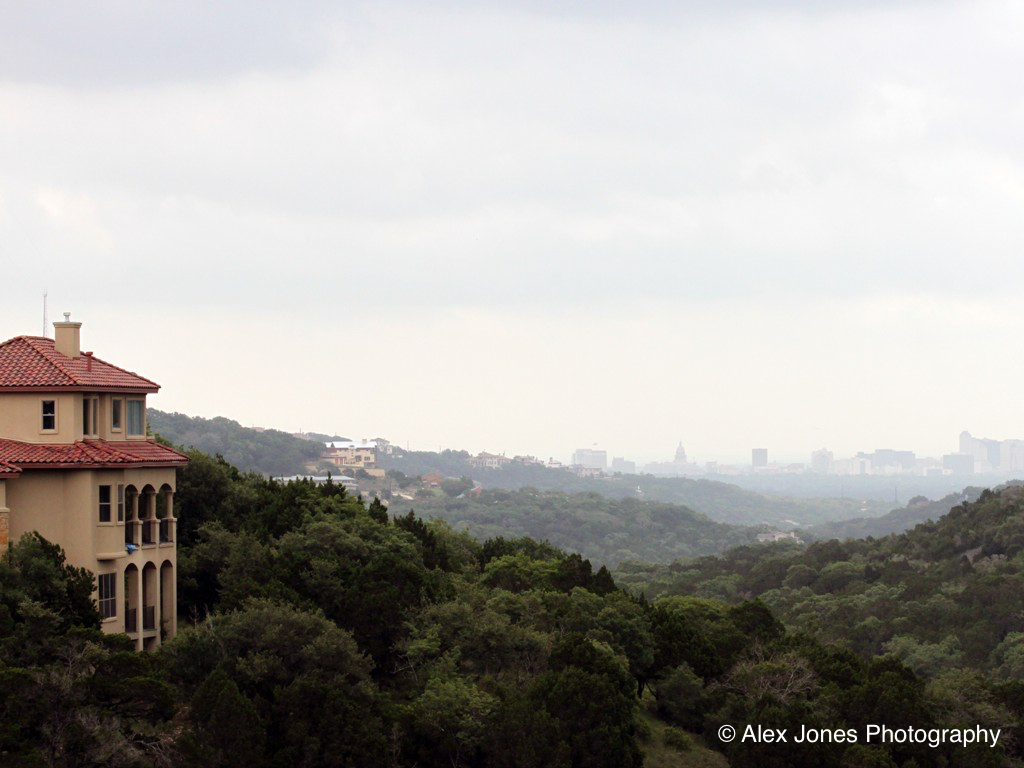
This picture shows a house on a hill with lots of green trees around it. In the distance, you can see a city with tall buildings. The land has rolling hills covered in trees, and there are clouds in the sky above everything.
🔬 Scientific Phenomena
The Anchoring Phenomenon this image represents is landform variation and human settlement patterns. The rolling hills visible in the photograph were formed over millions of years through processes like weathering, erosion, and geological activity. Humans have chosen to build homes and cities in different elevations - some on hilltops for views and cooler temperatures, others in valleys near water sources and transportation routes. The dense vegetation shows how plants adapt to different elevations and microclimates within the same region.
📚 Core Science Concepts
- Landforms and Elevation: Earth's surface has different shapes including hills, valleys, and flat areas that were formed by natural processes over long periods of time.
- Human Impact on Environment: People build homes, roads, and cities that change the natural landscape and affect plant and animal habitats.
- Weather and Climate Patterns: Different elevations can have different temperatures and weather conditions, which affects what plants grow there.
- Natural Resources and Settlement: Humans choose where to live based on access to water, good soil, and natural resources.
Pedagogical Tip: Use the "I Notice, I Wonder" thinking routine with this image. Have students first observe what they notice, then generate questions about what they wonder. This builds scientific observation skills and natural curiosity.
UDL Suggestions: Provide multiple ways for students to share observations - verbal discussion, drawing, or using sentence frames like "I see ___" and "This makes me think of ___" to support diverse learners and language development.
🔍 Zoom In / Zoom Out Concepts
- Zoom In: At the soil level, tiny organisms like bacteria, fungi, and insects are breaking down dead plant material to create rich soil that helps new plants grow. Root systems of trees and plants help hold the soil in place on these hillsides.
- Zoom Out: This landscape is part of a larger watershed system where rainwater flows from the hills down to rivers and eventually to the ocean. The trees here help clean the air for the entire region and provide habitat for many animals as part of a bigger ecosystem.
🤔 Potential Student Misconceptions
- Misconception: Hills and mountains have always been the same shape.
Scientific Clarification: Landforms change very slowly over thousands and millions of years due to weathering, erosion, and other natural processes.
- Misconception: Building houses doesn't affect nature.
Scientific Clarification: When humans build homes and roads, it changes the natural habitat where plants and animals live, and can affect how water flows across the land.
- Misconception: All places have the same weather and plants.
Scientific Clarification: Different elevations and locations can have different temperatures, rainfall, and types of plants that grow there.
🎓 NGSS Connections
- Performance Expectation: 2-ESS1-1 Use information from several sources to provide evidence that Earth events can occur quickly or slowly.
- Disciplinary Core Ideas: and
- Crosscutting Concepts: and
💬 Discussion Questions
- What do you think this area looked like before people built houses here? (Bloom's: Analyze | DOK: 2)
- Why might someone choose to live on a hill instead of in the valley? (Bloom's: Evaluate | DOK: 3)
- How do you think the plants and animals were affected when people built homes in this area? (Bloom's: Analyze | DOK: 2)
- What evidence can you see that shows how humans have changed this natural landscape? (Bloom's: Apply | DOK: 2)
📖 Science Vocabulary
- Landform: A natural feature of Earth's surface like hills, valleys, or mountains.
- Elevation: How high or low a place is compared to sea level.
- Habitat: The natural home where plants and animals live and find what they need.
- Erosion: The process where wind, water, or ice slowly wears away rocks and soil.
- Settlement: A place where people choose to build homes and live together.
- Vegetation: All the plants that grow naturally in an area.
🔗 Cross-Curricular Ideas
- Math - Measuring Elevation: Students can use a simple ruler to measure the heights of different landforms in the photo and create a bar graph comparing the elevation of the hill where the house sits versus the valley below. They can also estimate distances using non-standard measurement units.
- ELA - Descriptive Writing: Have students write a postcard from someone living in this hilltop house describing what they see, hear, and feel. This builds descriptive vocabulary and narrative writing skills while reinforcing science observations about the landscape.
- Social Studies - Community Planning: Discuss why people might choose to build homes in different locations. Create a simple map showing where the house, trees, city, and water sources might be located. Students can think about what resources people need to live in an area.
- Art - Landscape Painting: Students can create their own landscape artwork inspired by this photo using watercolors, colored pencils, or pastels, focusing on showing different elevations, vegetation layers, and how humans have shaped the environment.
🚀 STEM Career Connection
- Geologist — Reads rocks and landforms to work out what happened here long before anyone was watching.
- Try it: Examine a map of your local area and identify hills and valleys, then describe the landforms. (Practice: Analyzing and Interpreting Data)
- Tools: a rock hammer, a hand lens, a compass, core samplers
- Where they work: mountains and canyons, quarries and mines, government surveys, universities
- Meet one: Wendy Bohon — Earthquakes — how faults grow over time, and how to warn people clearly before one hits.
- Median pay: /year — "Geoscientists, except hydrologists and geographers"
- Urban Planner — Decides how a city grows — where housing, parks, transport and water systems should go.
- Try it: Draw a simple map showing where you would build houses, a park, and a road on a hilly landscape. (Practice: Analyzing and Interpreting Data)
- Tools: zoning maps, population data, traffic models, mapping software
- Where they work: city planning offices, consulting firms, transport agencies, universities
- Meet one: Kotchakorn Voraakhom — Parks built on a slope that soak up flood water — one of hers holds a million gallons.
- Median pay: /year — "Urban and regional planners"
Wage figures are median annual wages for the U.S. occupation named after each one, from the U.S. Bureau of Labor Statistics, Occupational Employment and Wage Statistics (OEWS), national, May 2025. Several careers share one occupation, so their figures match.